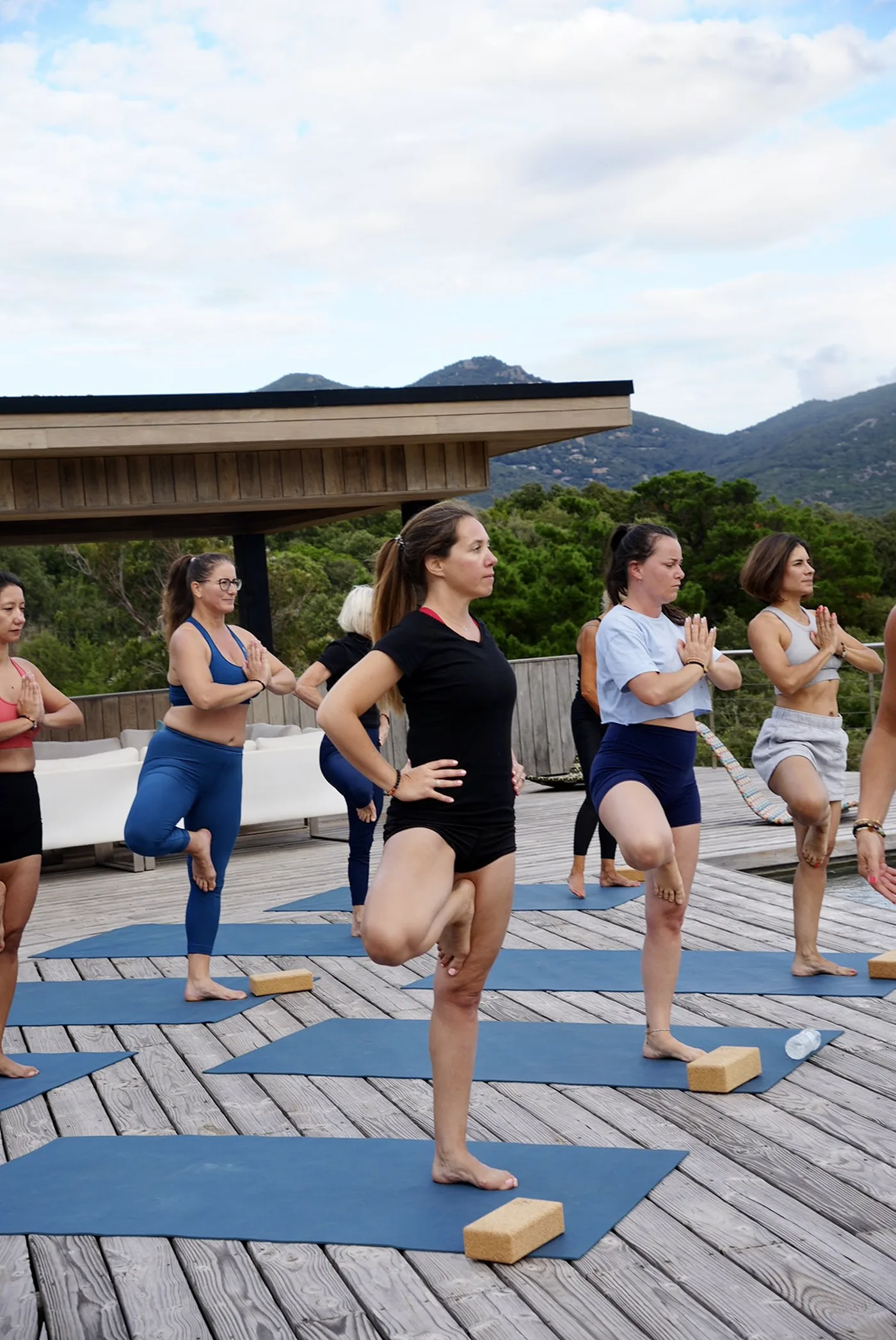
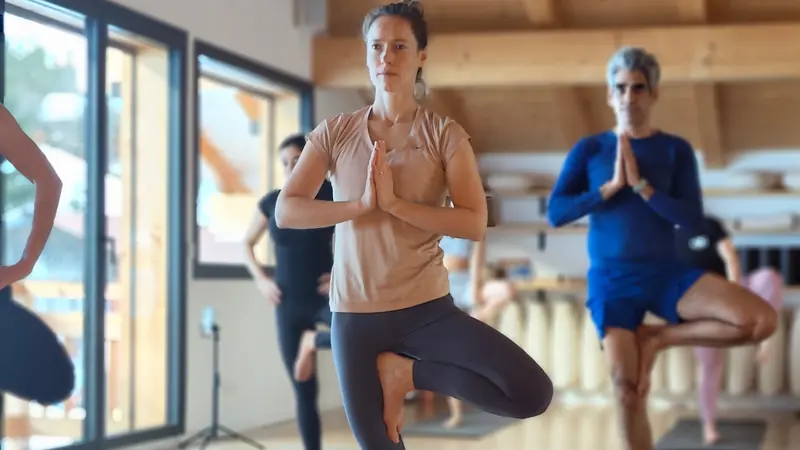
We all know those moments when the flow starts going in circles. The same sequences, the same passages, the same rhythm. It's comfortable — but it can also become a kind of autopilot that pulls you away from full presence.
These 4 transitions were chosen for their fluidity, their accessibility to intermediate practitioners, and the element of surprise they bring to a flow. They are simple to learn, hard to forget.
Before you begin
These transitions are intended for practitioners with a solid Vinyasa foundation. If you're just starting out, take the time to master each posture separately before linking them together. You can enter each transition through a classic Vinyasa (plank → chaturanga → upward-facing dog → downward-facing dog).
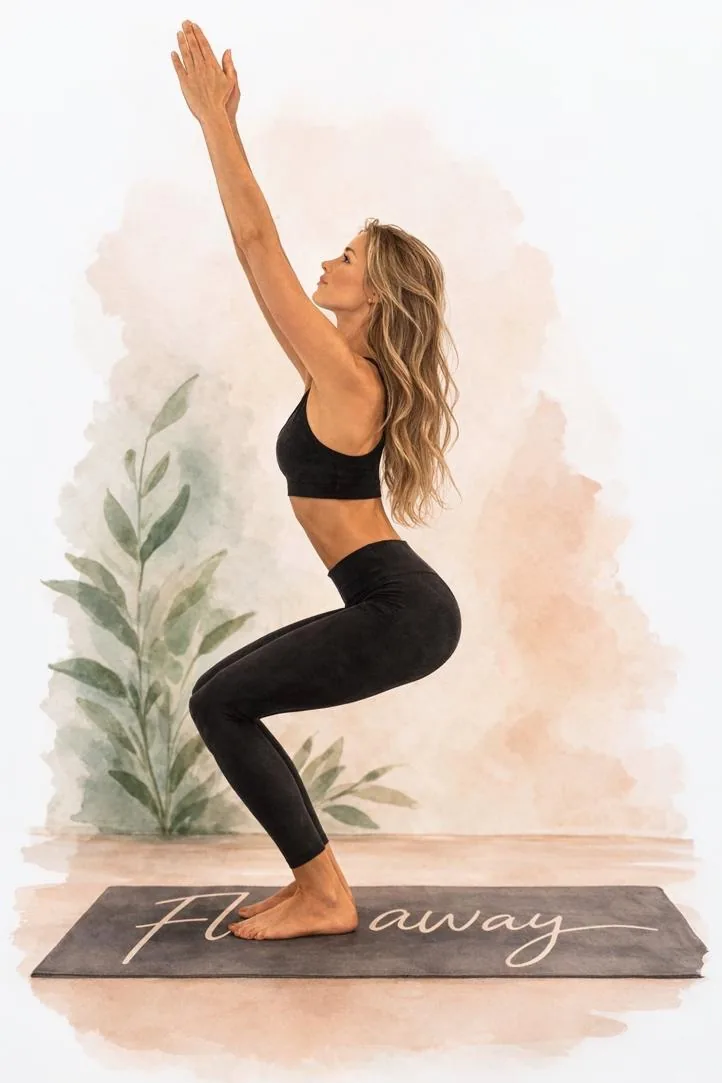
A playful transition that strongly engages the core. Moving from standing down to the floor creates a floating effect that students love coming back to — and slightly dread, which keeps the attention sharp.
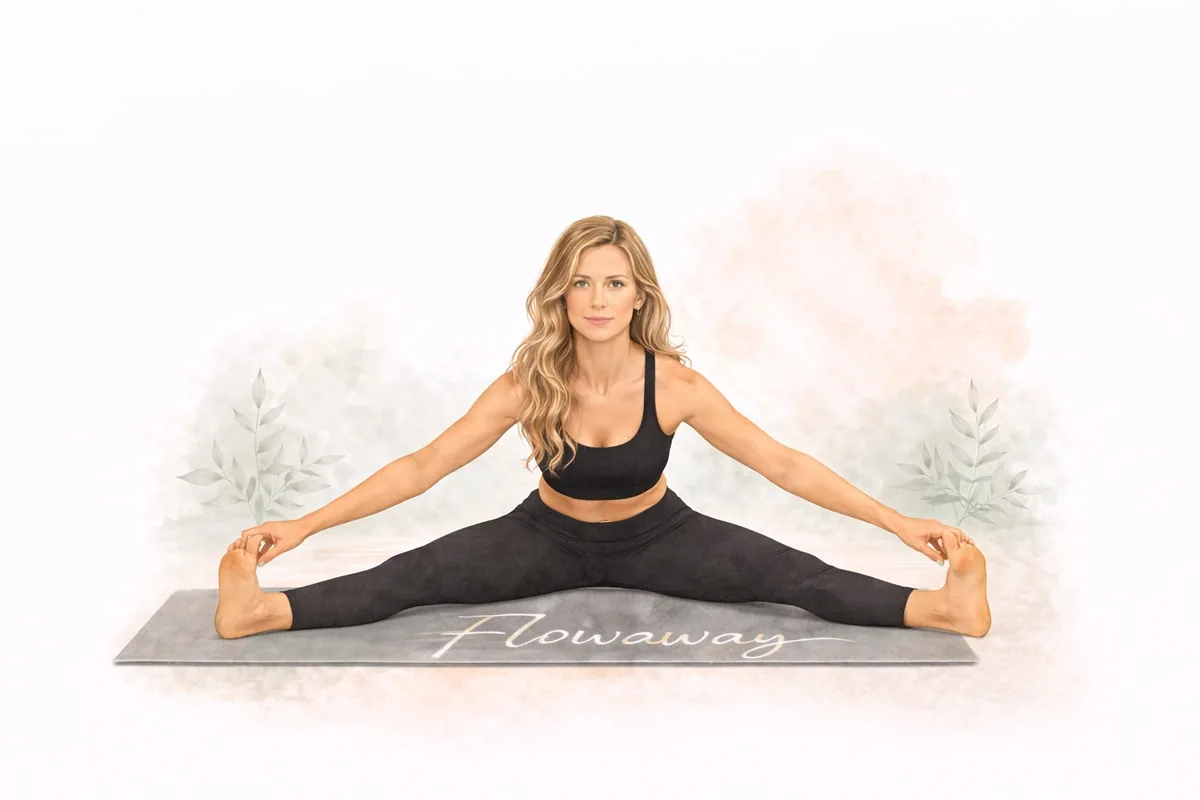
A fluid transition that brings a beautiful hip opening. It moves through the floor in a natural way and creates a moment of visual surprise — especially in a group class where no one sees it coming.
"It's the transitions that reveal the quality of a flow — not the postures."
— Maïwenn, co-founder of FlowawayA dynamic transition that keeps power in the legs throughout the movement. It creates a beautiful continuity between two strength postures, with an elegant pivot that deepens your grounding.
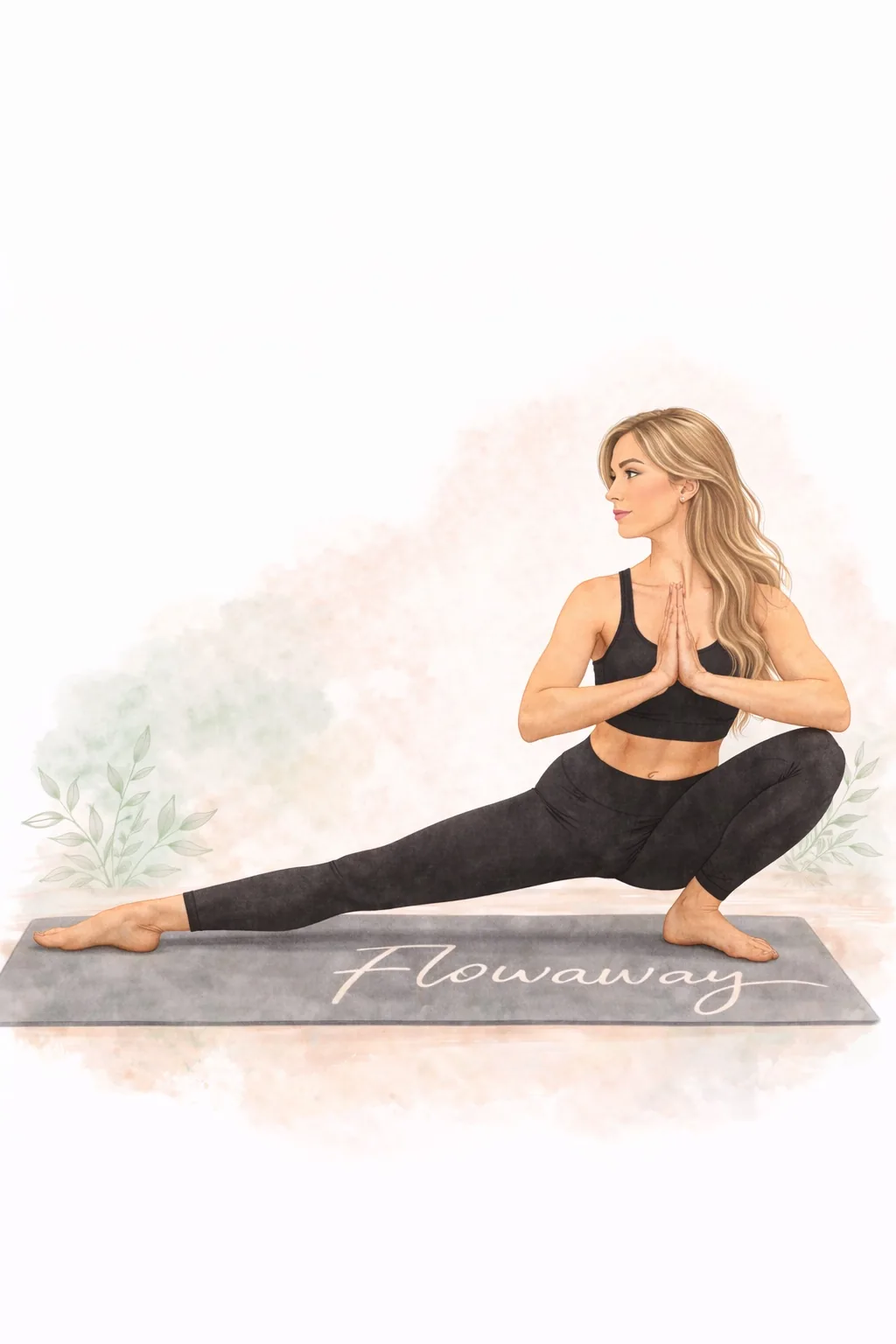
The most surprising of the four. It moves from a deep hip-opening posture to an intense activation of the abdominals — a contrast that wakes up the body and keeps the attention fully present.
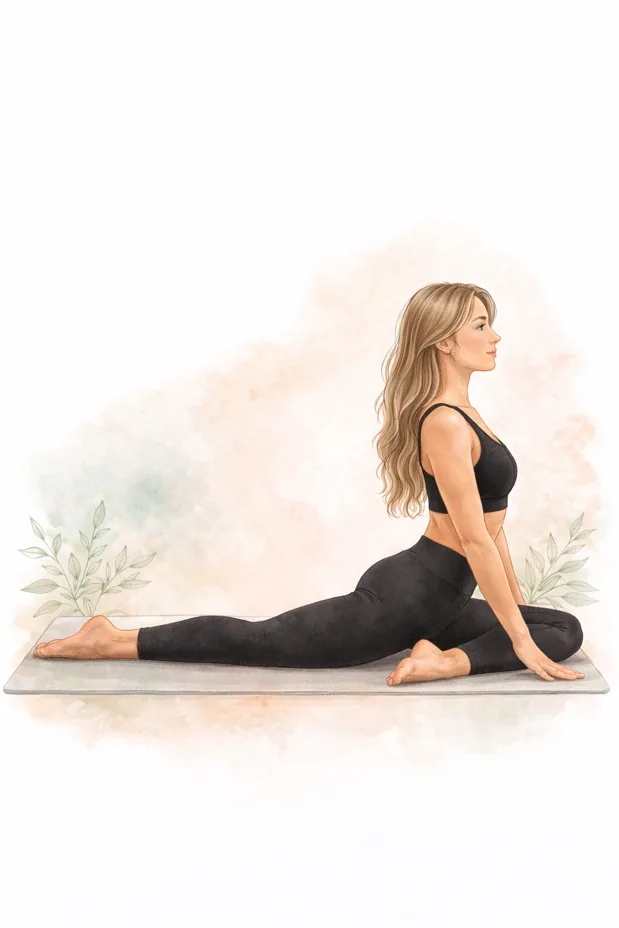
- Utkatasana → Navasana — Core activation, controlled descent to the floor
- Fallen Triangle → Upa Vista Konasana — Hip opening, fluid pivot on the floor
- Skandasana → Warrior II — Leg power, elegant standing pivot
- Pigeon → Navasana — Opening/strength contrast, a transition full of surprise
"Add one new transition to your practice each week. The body and mind love to learn."
— Alexandra, co-founder of FlowawayThese transitions can be woven one by one into an existing flow, or taught together in a themed class on transitions. The key is to practice them slowly at first — fluidity comes with repetition, never with rushing.
If you'd like to deepen your practice in an immersive setting, our retreats and online classes are the perfect opportunity to explore this kind of work with personalized guidance.
Want to go further?
Our online classes and retreats are made for practitioners who want to progress in a supportive, inspiring setting.